
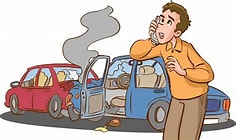
Accidents on New Zealand roads can happen in an instant. Whether you’re directly involved or
just a witness, knowing what to do in the moments after a crash can save lives, reduce
injuries, and make the emergency response more effective.
Each year, the NZ Transport Agency reports over 300,000 crashes, ranging from minor
fender-benders to serious collisions. Being prepared with first aid knowledge and emergency
response skills is essential for every driver and bystander.
Immediate Steps After a Crash
- Ensure Safety First
● Stop safely and turn on your hazard lights.
● If possible, move vehicles out of traffic to reduce further risk.
● Keep a safe distance from hazards such as fires, leaking fuel, or unstable vehicles. - Assess the Situation
● Check yourself and any passengers for injuries.
● Take note of how many people are involved, their condition, and any immediate
dangers.
● If you’re a witness, keep yourself safe but try to help by assessing the scene and
calling for help. - Call Emergency Services
● Dial 111 immediately for police, ambulance, or fire services.
● Provide clear information: exact location, number of vehicles and people, injuries, and
any hazards.
- Provide First Aid
● Check responsiveness and breathing.
● Start CPR if someone is unresponsive and not breathing normally.
● Control bleeding using pressure and dressings.
● Immobilise suspected fractures if trained.
● Keep the injured calm, warm, and comfortable until help arrives.
Tip: Only move someone if they’re in immediate danger, like fire or oncoming traffic.
Otherwise, leave them in place to avoid worsening injuries. - Gather Information
● Exchange contact, insurance, and vehicle information with other parties if safe.
● Take photos of the scene if it doesn’t put you at risk.
● Avoid admitting fault — let police and insurance handle investigations.
Common Injuries and How to Respond
● Cuts and lacerations: Apply pressure, clean, and dress wounds.
● Burns: Cool with running water and cover with a clean dressing.
● Sprains and fractures: Immobilise and support affected limbs.
● Shock: Keep the person warm, calm, and lying down.
● Head injuries: Monitor for changes in consciousness, vomiting, or confusion.
Preventing Accidents and Reducing Risk
● Always wear seatbelts.
● Obey speed limits and traffic conditions.
● Avoid distractions like mobile phones.
● Never drive under the influence of alcohol or drugs.
● Maintain your vehicle — brakes, tyres, lights, and steering.
Be prepared Book a first aid course today with Medic First Aid
Our courses cover:
● Road Accident First Aid: Skills for drivers, workplaces, and bystanders
● CPR & AED: Lifesaving training for any road incident
● Workplace Emergency Preparedness: Tailored for transport, logistics, and office
environments
Even a basic first aid course can give you the confidence to act quickly and safely, whether
you are directly involved in an accident or helping someone else.
NZ Resources
● NZ Transport Agency: www.nzta.govt.nz – road safety advice and statistics
● Medic First Aid www.medicfirstaid.co.nz – first aid guidance and courses
● ACC NZ: www.acc.co.nz – accident prevention and claims support
Conclusion
Whether you’re involved in a crash or witness one, knowing what to do, how to provide first
aid, and when to call emergency services can make a real difference.
Stay calm, stay safe, and be prepared. Your actions could save a life.